








Central Electric Water Heaters: Efficiency, Safety, and the Future of Water Heating Technologies

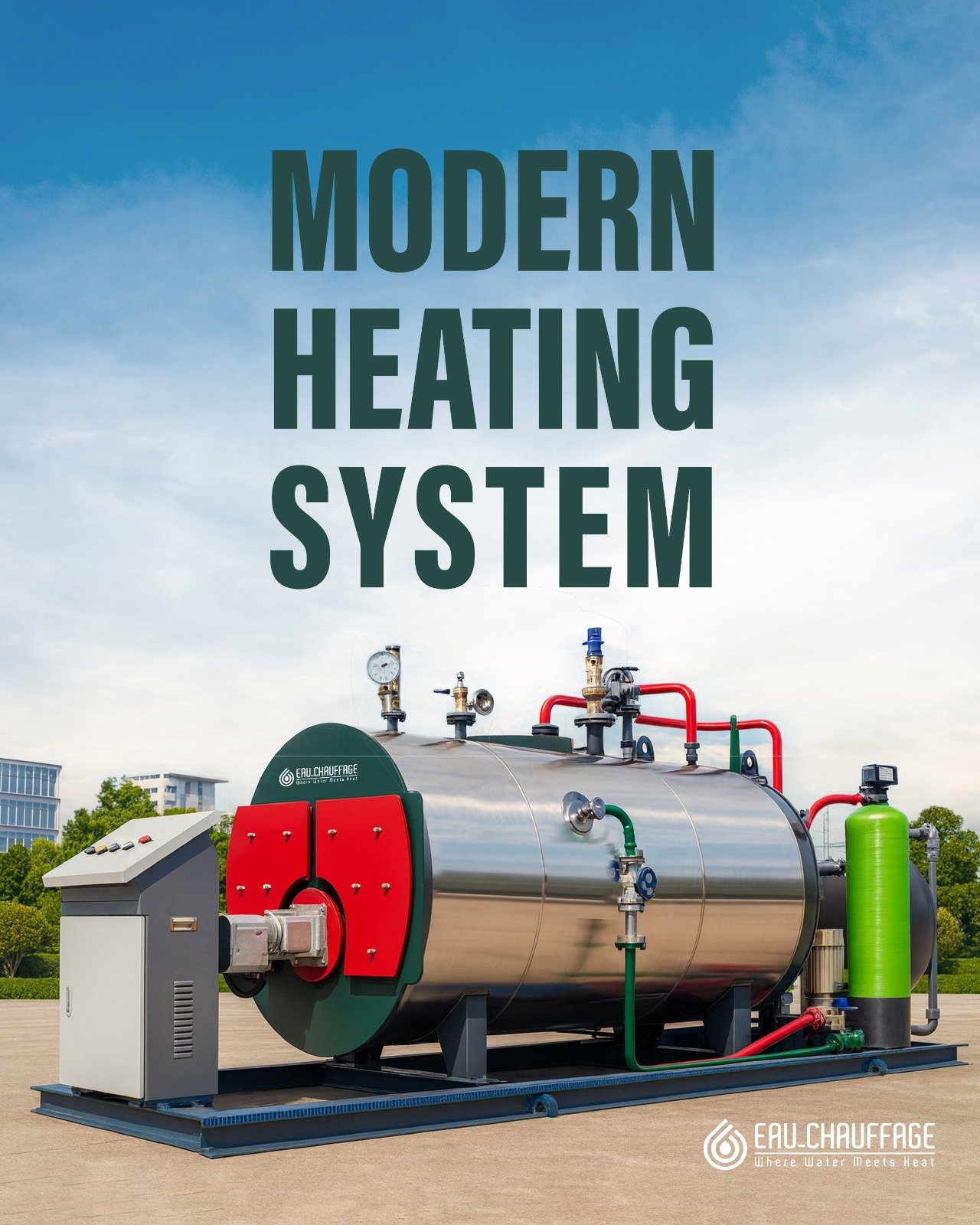
As global energy demands rise and sustainability becomes a core concern in residential and commercial infrastructure, central electric water heaters have emerged as a reliable, efficient, and environmentally favorable alternative to traditional water heating systems. This article presents an analytical overview of electric central heaters, highlighting their technical specifications, advantages, drawbacks, and long-term economic and ecological benefits.
1. What Is a Central Electric Water Heater?
A central electric water heater is a system that uses electrical energy to heat water and distribute it throughout an entire building or home via an insulated piping network. Unlike point-of-use heaters, central systems supply hot water to multiple outlets simultaneously, offering both convenience and uniformity in temperature control.
2. Energy Efficiency and Environmental Impact
According to the International Energy Agency (IEA), water heating accounts for up to 18% of household energy consumption globally. Therefore, energy efficiency in water heaters is no longer a luxury but a necessity.
Modern electric central water heaters—especially those equipped with smart thermostats, programmable settings, and high-grade insulation—are significantly more efficient than their traditional counterparts. Users who invest in the best electric central water heater models can expect up to a 30% reduction in electricity bills, along with a measurable decrease in carbon footprint.
3. Comparative Analysis: Electric vs. Gas Central Heaters
When conducting a comparison of central water heaters, several critical factors must be considered:
| Feature | Electric Central Heater | Gas Central Heater |
| Safety | High (no combustion or gas leaks) | Medium (risk of gas leakage or explosion) |
| Energy Efficiency | High (especially with smart controls) | Moderate |
| Maintenance | Low (minimal servicing required) | High (periodic servicing essential) |
| Operating Cost | Depends on local electricity prices | Depends on gas availability |
| Environmental Impact | Lower emissions | Higher carbon output |
The clear winner in terms of safety and environmental compatibility is the electric central system.
4. Key Features: Advantages and Disadvantages
Advantages of Electric Central Water Heaters
- Consistent water supply across multiple points
- Safe water heater with no emissions
- Smart control features (Wi-Fi, mobile apps, auto shut-off)
- Minimal maintenance
- Compatible with solar energy systems
Disadvantages
- Higher upfront cost
- Depends on uninterrupted electricity supply
- Requires installation space for storage tank and insulated pipes
Despite the downsides, the reliability and long-term energy savings of electric systems often outweigh initial installation costs.
5. Specifications and Pricing Overview
Prices for central electric water heaters vary depending on capacity (typically 50L to 300L), power rating (kW), smart functionality, and brand. High-end models include:
- Digital touch panels
- Auto temperature calibration
- Anti-scald technology
- Leak detection systems
- Energy efficiency ratings (A+ to A+++)
Choosing a unit with certified technical specifications ensures better performance and longevity.
6. Emerging Technologies in Water Heating
The industry is evolving toward modern water heating technologies, including:
- Tankless electric water heaters
- Hybrid electric-solar systems
- AI-based adaptive heating systems
- Enhanced heat exchange designs
Brands like Eau Chauffage are leading this transformation, offering safe, energy-efficient, and stylish central electric water heaters that combine advanced engineering with consumer-friendly design.
Conclusion
Investing in a central electric water heater is no longer just about heating water—it’s about ensuring energy savings, family safety, and environmental responsibility. In light of technical advancements and shifting consumer needs, electric central systems represent the future of home water heating.