










Showing all 3 results
Water heating is one of the largest energy loads in any building, which makes it the most rewarding place to switch to renewable energy. Eau Chauffage renewable systems capture heat that is already around you, from sunlight or ambient air, and use it to do work you would otherwise pay for in electricity or gas.
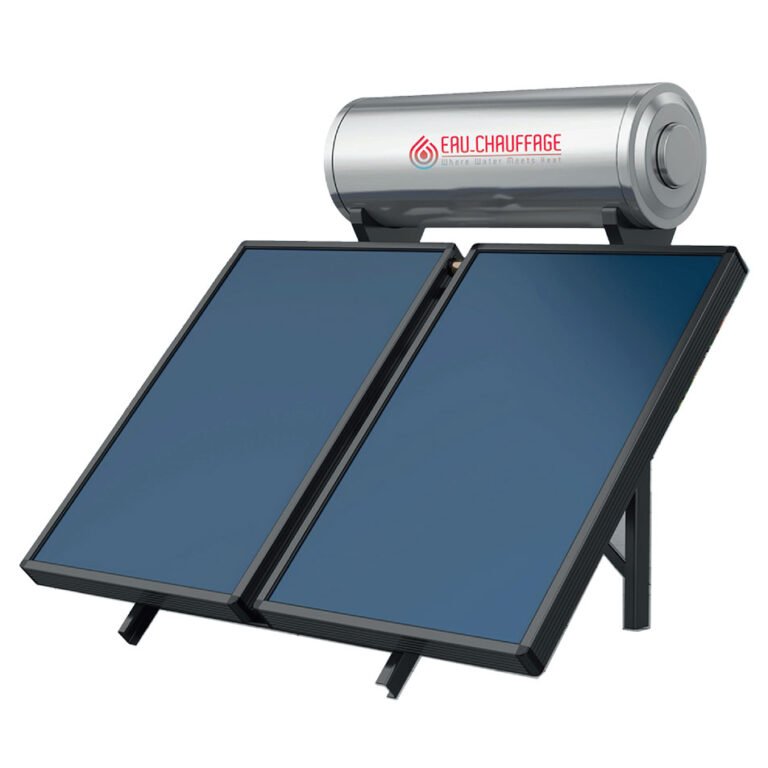
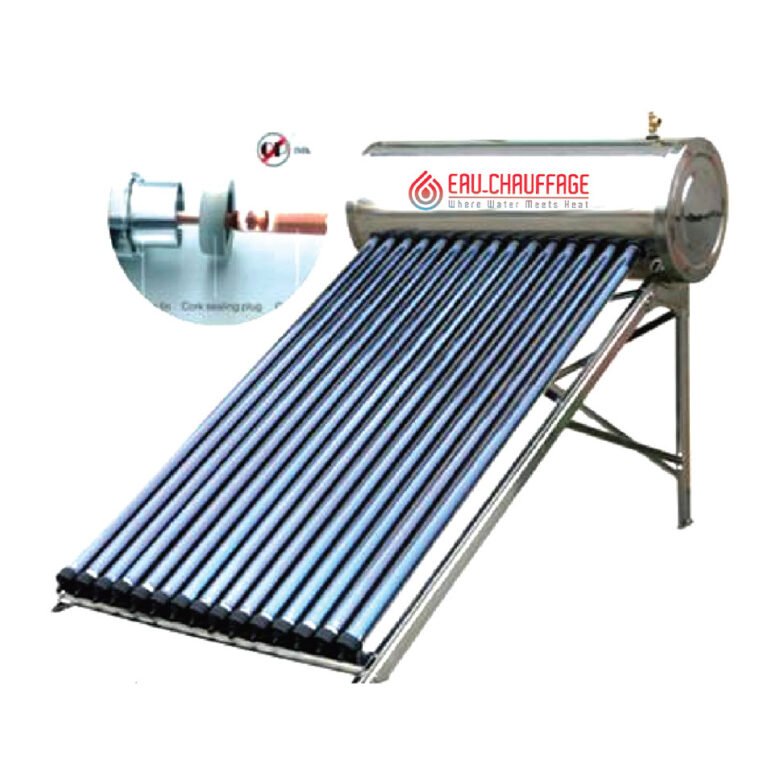
Solar thermal systems use rooftop collectors to transfer the sun’s energy directly into your water. Evacuated tube collectors perform well even in cool and partly clouded conditions because the vacuum layer suppresses heat loss, while an insulated stainless steel tank holds the result long after sunset. Pressurised models deliver strong flow to upper floors, so choosing solar does not mean accepting a weak shower. Once installed, the fuel is free and permanent.
A heat pump works differently. It does not create heat, it moves it, extracting warmth from surrounding air and concentrating it into the tank. Because moving energy costs far less than generating it, a heat pump delivers several units of heat for each unit of electricity consumed. That efficiency advantage holds year-round and is largely independent of sunshine, which makes heat pumps a strong companion to solar or a standalone solution where roof space is limited.
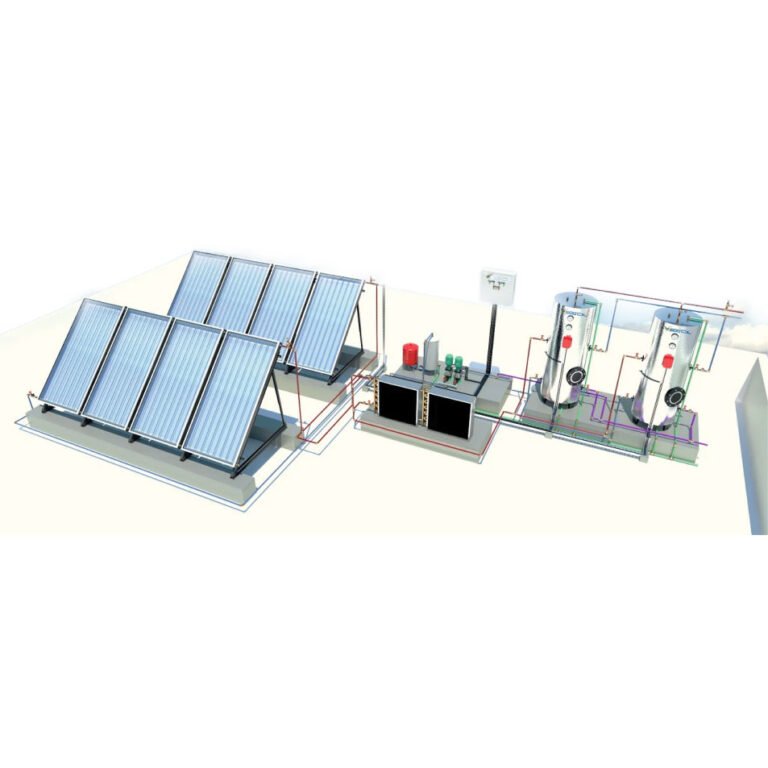
Solar suits buildings with unshaded roof area and high daytime or evening demand. Heat pumps suit properties with limited roof access, consistent year-round consumption, or a need for predictable output regardless of weather. Many facilities combine both, using solar as the primary source and a heat pump to guarantee supply through poor weather and peak demand.
Renewable equipment lives on rooftops and exterior walls, so corrosion resistance is not optional. Our systems use stainless steel construction and weather-rated components, manufactured under an ISO 9001:2015 certified quality system. Explore the range below, or contact our team for a system sized to your roof, climate and demand profile.