










Electric vs Gas Water Heaters: Which One Is Right for You?

Introduction
Choosing the best water heater is more than just a technical decision—it directly impacts your daily comfort, safety, and monthly energy bills. Many people ask the same question: electric water heater or gas? The answer depends on your lifestyle, household size, and overall needs. In this article, we’ll present an objective comparison of water heaters, while highlighting how a smart electric model—like the ones from Eau Chauffage—can often be the most practical solution.
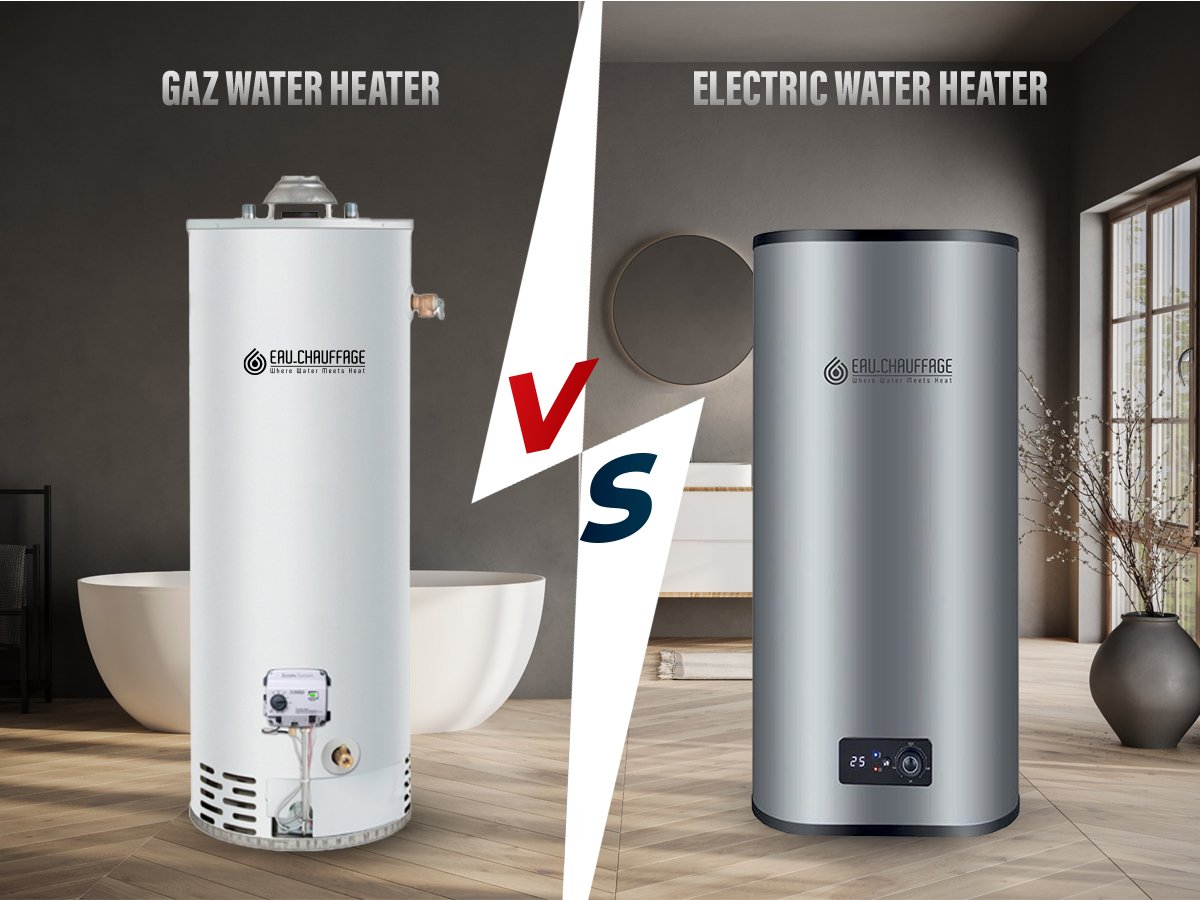
Comparison Between Electric and Gas Water Heaters
| Factor | Electric Heater | Gas Heater |
| Safety | Higher safety thanks to smart sensors and automatic shut-off (as in Eau Chauffage) that reduce risks of leaks or overheating. | Lower safety due to risks of gas leaks or ventilation failures. |
| Initial Cost | Slightly higher upfront, especially with smart models, but more cost-effective in the long run thanks to energy efficiency. | Usually cheaper to buy, but installation and maintenance (gas pipes, ventilation) can add up. |
| Energy Consumption | Modern insulation and smart scheduling (like in Eau Chauffage) ensure efficient use, helping to save on electricity bills. | Relies on local gas prices; sometimes cheaper, but frequent maintenance reduces savings. |
| Ease of Use | Digital controls, app connectivity, and remote scheduling make it simple and user-friendly. | Requires manual or auto ignition, with regular gas checks. |
| Installation & Maintenance | Simple electrical setup, with built-in alerts for easy maintenance. | Needs gas piping, ventilation, and more frequent safety checks. |
| Best Use Cases | Ideal for families, apartments, and modern homes. Sleek design (like Eau Chauffage) fits easily in any space. | Better for remote areas without reliable electricity, but less practical in urban settings. |
Detailed Analysis
1. Safety
Safety should always come first. A smart electric water heater offers greater peace of mind with advanced sensors and automatic shutdown systems. For instance, Eau Chauffage units are designed as safe water heaters, minimizing risks often associated with gas.
2. Initial Cost vs Long-Term Savings
While an electric water heater may cost more upfront, it delivers better efficiency and lower bills over time. Gas heaters are cheaper to buy, but their higher maintenance requirements make them more costly in the long run.
3. Energy Consumption & Efficiency
Modern electric heaters use smart insulation and scheduling to reduce energy waste. Eau Chauffage, for example, only heats water when needed, offering superior energy efficiency compared to the continuous operation of gas models.
4. Ease of Use
With a smart electric heater, you can manage everything via your smartphone—set heating schedules, track usage, or adjust settings remotely. Gas heaters don’t offer this level of convenience.
5. Installation & Maintenance
Electric heaters require minimal setup—just a power connection. Gas heaters, however, need secure piping, ventilation, and regular maintenance to stay safe.
6. Best Scenarios for Use
- For families: Smart electric heaters provide consistent performance and safety.
- For small apartments: The sleek, compact design of Eau Chauffage is ideal.
- For remote areas: Gas may work where electricity is unreliable, but it’s less efficient for modern homes.
Conclusion & Recommendation
When comparing electric vs gas water heaters, both have their strengths. But with the rise of smart technology, the electric water heater—especially smart models like Eau Chauffage—stands out as the most reliable, safe, and efficient option for most households.
If you’re looking for the best water heater that combines safety, energy efficiency, and modern convenience, Eau Chauffage is the smart choice for your home.