









Water Heaters and Their Types: A Professional Engineer’s Guide to Choosing the Best Water Heater for Your Home

By Daniel Richardson, P.Eng – Senior Water Heating Systems Engineer (Canada)
Over 20 years of experience in residential and commercial water heating technologies
After more than two decades working as a professional engineer in water heating systems across Canada and North America, I have seen one truth repeated time and time again:
choosing the wrong water heater leads to higher energy bills, poor performance, shortened lifespan, and in some cases, serious safety risks.
A water heater is not just another household appliance. It is a core part of your home’s comfort infrastructure. Understanding water heater types, modern water heating technology, and how to select the best water heater for your needs is essential for long-term efficiency, safety, and reliability.
The Evolution of Water Heating Technology
Traditional water heaters were designed with a single goal: heat water and store it. Little attention was given to energy loss, intelligent control, or system protection.
Modern water heating technology has completely changed that approach. Today’s systems focus on:
- Advanced thermal insulation to reduce heat loss
- Precise digital temperature control
- Multi-layer safety systems
- Optimized energy consumption
High-end systems, such as those developed by Eau Chauffage, reflect this evolution by integrating engineering-grade materials, intelligent controls, and efficiency-driven design into one cohesive solution.
Types of Water Heaters – An Engineer’s Perspective
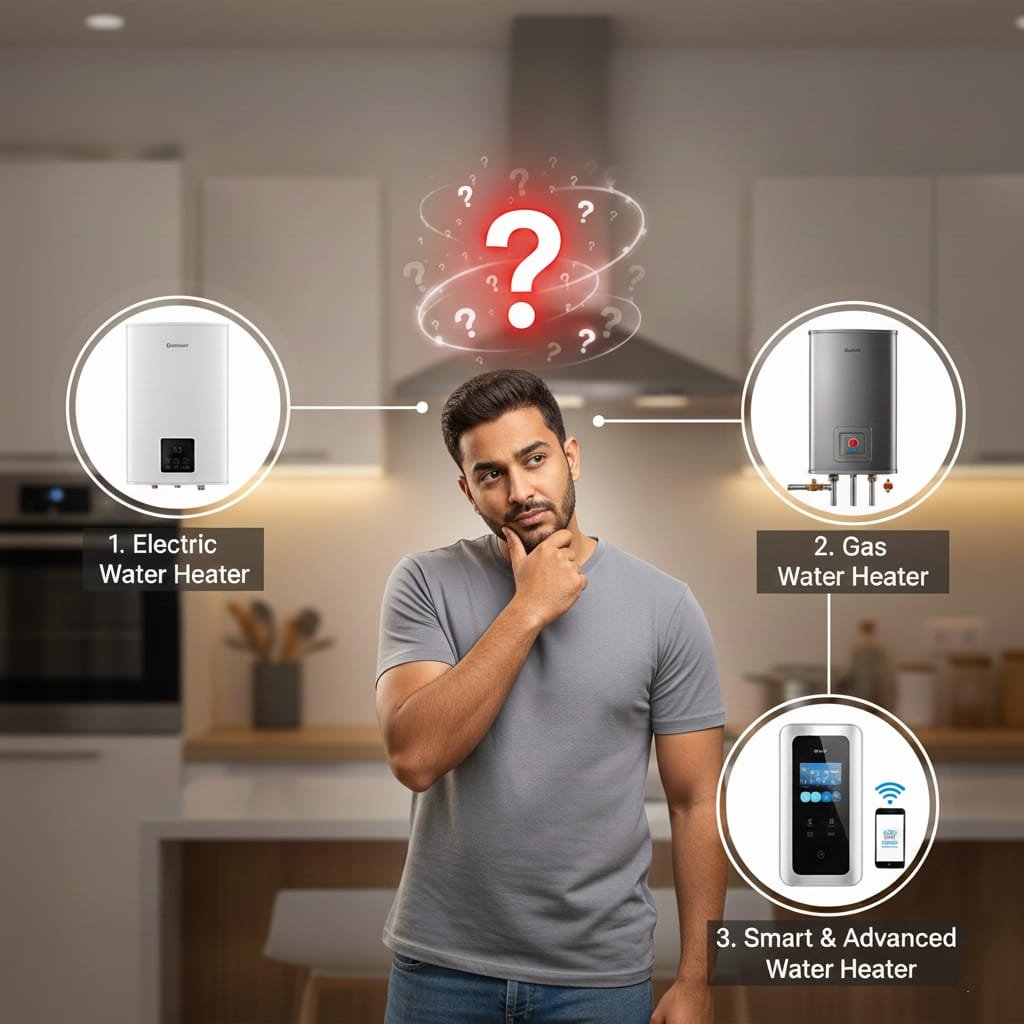
1. Electric Water Heaters
The electric water heater remains the most common choice for apartments and residential homes.
Advantages:
- Easy installation
- No ventilation required
- Reliable and consistent performance
However, from an engineering standpoint, older electric models often suffer from high energy loss due to poor insulation. Choosing an energy-saving heater with modern insulation and optimized heating elements makes a significant difference in long-term operating costs—an area where Eau Chauffage systems are particularly well-designed.
2. Gas Water Heaters
Gas water heaters are typically used in larger homes or buildings with high hot water demand.
Advantages:
- Faster heating and recovery time
- Suitable for simultaneous multi-point use
Engineering note:
Gas systems require professional installation, proper ventilation, and strict safety compliance. Many of the failures I have encountered were not due to the technology itself, but to inadequate safety design or poor installation practices.
3. Smart and Advanced Water Heaters
This is where modern innovation truly shines. Smart and hybrid systems represent the future of safe water heaters.
These systems offer:
- Digital control interfaces
- Pressure and temperature sensors
- Optimized energy usage
- Longer operational lifespan
Eau Chauffage products fall into this category, combining efficiency, safety, and modern design in systems engineered for today’s energy and comfort standards.
How to Choose a Safe and Energy-Saving Water Heater
Based on years of field experience, here are the key criteria every homeowner should evaluate when learning how to choose a water heater:
✔ Correct Capacity
- 30–40 liters: 1–2 people
- 50–80 liters: Average family
- 100 liters or more: Large households or high simultaneous use
Incorrect sizing places unnecessary stress on the system and shortens its lifespan.
✔ Safety Features
A safe water heater must include:
- Pressure relief valves
- Automatic shut-off systems
- Corrosion-resistant materials
These are not optional extras—they are engineering necessities.
✔ Energy Efficiency
An energy-saving heater is defined not by power alone, but by how effectively it retains heat and manages consumption. Modern insulation, smart temperature control, and system optimization can dramatically reduce electricity usage, which is a key strength of Eau Chauffage designs.
Why Modern Design Matters in Water Heaters
In today’s systems, design is functional—not cosmetic. A modern water heater with a digital interface allows:
- Accurate temperature monitoring
- Easier user control
- Faster detection of system issues
This practical approach to design is clearly reflected in the latest Eau Chauffage models.
Final Thoughts
If you are searching for the best water heater, price alone should never be the deciding factor. Focus instead on:
- Energy efficiency
- Safety engineering
- Build quality
- Modern water heating technology
A well-designed water heater is a long-term investment in comfort, safety, and energy savings.
Discover the next generation of water heating innovation with Eau Chauffage
Where engineering expertise, energy efficiency, and modern design come together.