











Collettori solari a tubi sottovuoto o piani

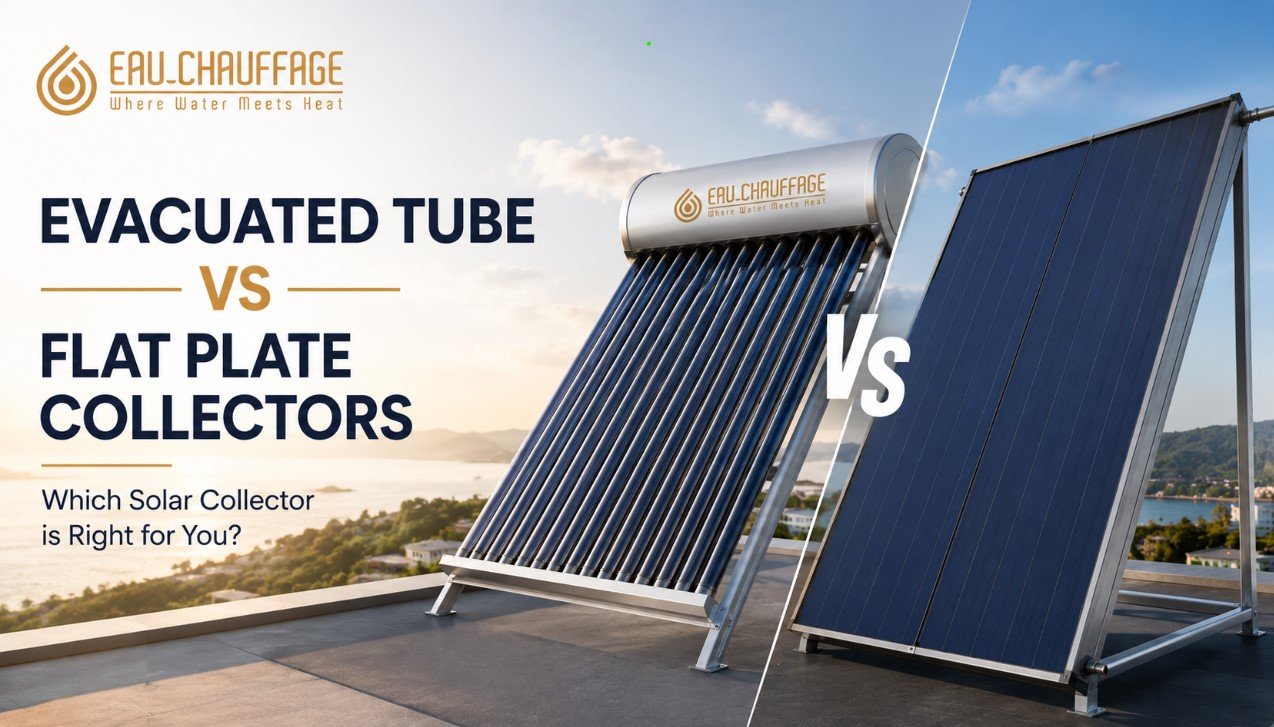
Quasi ogni preventivo per il riscaldamento solare dell'acqua si riduce a una scelta tecnica: collettori a a tubi sottovuoto o collettori piani . La maggior parte del materiale di vendita risponde con l'affermazione secca che i tubi sottovuoto sono migliori. Non è esatto, e crederci può costarvi denaro.
Nessuno dei due tipi è universalmente superiore. Perdono calore in modo diverso, e quale vi conviene dipende dal clima, dalla temperatura dell'acqua che volete e dal budget. Ecco come decidere correttamente.
Come funziona davvero ciascuno
Collettori piani
Un collettore piano è una cassa isolata con una piastra assorbente scura sotto una lastra di vetro temperato. La luce solare attraversa il vetro, l'assorbitore la converte in calore, e quel calore passa al fluido che scorre in tubi legati alla piastra. L'isolamento dietro e attorno alla cassa rallenta la fuga del calore.
È un progetto maturo, semplice e robusto. Punto cruciale, l'assorbitore copre praticamente l'intero pannello, quindi quasi ogni metro quadrato che installate capta attivamente.
Collettori a tubi sottovuoto
Un collettore a tubi sottovuoto è una fila di tubi di vetro, ciascuno contenente un assorbitore, con il vuoto tra lo strato di vetro interno ed esterno.
Quel vuoto è tutto il punto. Il calore sfugge da un collettore principalmente per conduzione e convezione verso l'aria circostante, e il vuoto non conduce quasi nulla. Quindi una volta assorbito dentro il tubo, il calore fatica a uscire. Il compromesso è che tubi rotondi non possono coprire completamente un'area rettangolare di tetto, quindi parte dello spazio occupato dal campo sta tra i tubi e non capta nulla direttamente.
La fisica che decide tutto
C'è una variabile che governa quale tipo vince, e una volta compresa il resto segue: la differenza di temperatura tra il collettore e l'aria esterna.
La perdita di calore cresce man mano che quel divario si allarga. In una mattina fredda, un collettore che cerca di raggiungere 60 gradi combatte contro una grande differenza, e le perdite dominano. In un pomeriggio caldo nel Golfo, lo stesso collettore che raggiunge la stessa temperatura combatte contro un divario molto più piccolo, quindi le perdite sono modeste in ogni caso.
Ne deriva una regola chiara:
- Grande divario di temperatura (clima freddo, condizioni nuvolose o temperatura obiettivo alta): il vuoto conta enormemente, e i tubi sottovuoto prendono il vantaggio.
- Piccolo divario di temperatura (clima caldo, sole forte, temperatura obiettivo moderata): il vantaggio dell'isolamento conta molto meno, e i collettori piani competono con forza a costo inferiore.
Per questo lo stesso confronto tra prodotti produce raccomandazioni opposte nel Nord Europa e nella penisola arabica, e per questo i consigli generici online ingannano così spesso.
A confronto
| Fattore | I collettori a tubi sottovuoto | Pannello piano |
|---|---|---|
| Perdita di calore verso l'ambiente | Molto bassa (vuoto) | Più alto |
| Condizioni fredde o nuvolose | Vantaggio netto | La resa cala più in fretta |
| Clima caldo e soleggiato | Buono | Molto competitivo |
| Area attiva per m² installato | Ridotta dagli spazi tra i tubi | Quasi l'intero pannello |
| Costo d'acquisto | Più alto | Lower |
| Robustezza fisica | Tubi di vetro, fragili | Vetro temperato, molto robusto |
| Riparabilità | Sostituire un singolo tubo | Riparare o sostituire il pannello |
| Pulizia | Superfici curve e interstizi | Superficie piana, semplice |
| Temperatura di stagnazione | Molto alta | Lower |
L'efficienza non è un numero unico
Quando un fornitore cita una cifra di efficienza, chiedete in quali condizioni. Un collettore ha una curvedi efficienza, non un valore.
I collettori piani partono spesso con una forte efficienza ottica, cioè catturano un'alta proporzione della luce che li colpisce quando il collettore è vicino alla temperatura ambiente. I tubi sottovuoto partono tipicamente un po' più in basso, per via degli interstizi e del vetro in più, ma perdono molto meno man mano che il collettore si scalda. Le due curve si incrociano.
Sotto quel punto di incrocio, i collettori piani possono fornire più calore. Sopra, i tubi sottovuoto vincono nettamente. Dove si colloca l'incrocio per la vostra installazione dipende dal clima e dalla temperatura obiettivo, ed è esattamente per questo che «quale è più efficiente» non ha una risposta unica onesta.
Una conseguenza pratica: confrontate sull' area di apertura o sulla resa effettiva, non sulle dimensioni complessive del campo. Due collettori che occupano lo stesso spazio sul tetto possono avere aree assorbenti attive molto diverse.
Durata e modalità di guasto
Questi due progetti si guastano in modi diversi, e ciò incide sul costo a lungo termine più di quanto la maggior parte degli acquirenti preveda.
Un collettore piano è un'unità sigillata sotto vetro temperato. Regge bene urti, vento e grandine. Quando però qualcosa va storto, in genere si ha a che fare con l'intero pannello.
I tubi sottovuoto sono sostituibili singolarmente, il che sembra un vantaggio e spesso lo è: un tubo danneggiato è una riparazione economica anziché un collettore nuovo. Ma i tubi sono di vetro, possono rompersi per urti o grandine, e un tubo che perde il vuoto smette di rendere pur sembrando del tutto normale da terra. Un degrado silenzioso e invisibile è una considerazione concreta su un tetto che nessuno ispeziona.
Manutenzione nei climi polverosi
Nelle regioni desertiche e semidesertiche, l'accumulo di polvere è una perdita di prestazione reale e continua, e la pulizia è il guadagno di resa più economico disponibile.
Un collettore piano è un'unica lastra di vetro piana, quindi la pulizia è rapida e completa. Un campo a tubi sottovuoto ha superfici curve, interstizi e un telaio, che richiede più tempo per essere pulito bene ed è più facile da pulire male.
Non è un fattore decisivo da solo, ma è una vera differenza operativa che compare raramente in un confronto commerciale, e si accumula negli anni.
Stagnazione: la considerazione per i climi caldi
La stagnazione è ciò che accade quando un collettore resta in pieno sole senza che venga prelevato calore, tipicamente quando la famiglia è assente e il serbatoio è già a temperatura.
Poiché i tubi sottovuoto trattengono così bene il calore, raggiungono temperature di stagnazione considerevolmente più alte dei collettori piani. Ciò impone un maggiore stress termico a fluido, guarnizioni e componenti, ed è un fattore di progetto di cui l'installazione deve tenere conto anziché ignorare.
In una regione molto soleggiata con periodi di bassa domanda, questo merita una domanda diretta al vostro fornitore: come gestisce il sistema la stagnazione, e cosa lo protegge.
Confrontate il costo per calore utile, non per metro quadrato
Il prezzo al metro quadrato è la metrica sbagliata, perché i due tipi non forniscono lo stesso calore per metro quadrato in ogni clima.
Il confronto significativo è il costo dell'intero sistema che soddisfa la vostra domanda: quanti collettori di ciascun tipo servono davvero, quale area occupa ciascuna configurazione, e quanto costa ciascun sistema installato. In un clima caldo quel calcolo favorisce spesso i collettori piani, perché può bastare un'area solo leggermente maggiore per raggiungere la stessa resa annua a un prezzo inferiore. In un clima più fresco o più variabile il calcolo di solito si inverte.
Dove lo spazio sul tetto è davvero limitato, i tubi sottovuoto possono essere l'unico modo per raggiungere l'obiettivo nell'area disponibile, e allora il costo maggiore è semplicemente ciò che costa il vincolo.
Quindi quale scegliere?
- Clima caldo e soleggiato con spazio sufficiente sul tetto : i collettori piani sono di solito il valore migliore, fornendo la resa annua necessaria a costo inferiore.
- Area di tetto limitata : i tubi sottovuoto forniscono più calore da uno spazio ristretto.
- Clima fresco, nuvoloso o molto variabile : tubi sottovuoto, chiaramente.
- Temperatura obiettivo alta o calore di processo : tubi sottovuoto, perché il divario di temperatura è grande.
- Ambiente polveroso con accesso limitato per la manutenzione : i collettori piani sono più facili da tenere puliti.
- Esposizione a grandine o rischio di urti : i collettori piani sono più robusti.
Qualunque cosa scegliate, altre due decisioni contano più del tipo di collettore per la soddisfazione quotidiana: se il sistema è in pressione, che determina la portata ai rubinetti dei piani alti, e se ha una riservaadeguata. Vedete la nostra guida su come funzionano gli scaldabagni solari e come dimensionare uno scaldabagno solare per il vostro tetto.
Domande frequenti
I tubi sottovuoto sono più efficienti dei collettori piani?
Con grandi differenze di temperatura, sì, chiaramente. Quando il collettore è vicino alla temperatura ambiente, i collettori piani possono catturare di più. L'efficienza è una curva, non una cifra unica, quindi la risposta onesta dipende dal clima e dalla temperatura obiettivo.
Quale è meglio per un clima caldo come il Golfo?
Con spazio sufficiente sul tetto, i collettori piani sono spesso il valore migliore, perché il divario di temperatura che favorisce i tubi sottovuoto è più piccolo. Dove l'area del tetto è limitata, i tubi sottovuoto hanno senso nonostante il costo maggiore.
I tubi sottovuoto si rompono facilmente?
Sono di vetro, quindi urti e grandine sono rischi reali, anche se i singoli tubi sono economici da sostituire. I collettori piani sotto vetro temperato resistono meglio ai danni fisici.
Come capisco se un tubo sottovuoto è guasto?
Un tubo che ha perso il vuoto di solito sembra ancora intatto, quindi il guasto è facile da non notare. Un calo inspiegabile della resa del sistema senza danni visibili è il segnale pratico di allarme, ed è per questo che l'ispezione periodica conta.
Posso mescolare entrambi i tipi in un unico sistema?
È tecnicamente possibile ma raramente consigliabile, perché i due si comportano in modo diverso al salire della temperatura e la regolazione diventa inutilmente complicata. Scegliete un solo tipo per circuito.
Ottenete una raccomandazione per il vostro sito
Indicateci la vostra località, superficie e orientamento del tetto, dimensione della famiglia o occupazione, e la temperatura di cui avete bisogno, e i nostri ingegneri raccomanderanno il tipo di collettore e la dimensione del campo che vi dà più calore per unità di costo, anziché scegliere per default il più costoso.
Email sales@eauchauffage.com o chiama +1 (905) 299-3382. Sfogliate i nostri scaldabagni solari e sistemi solari per ville.